
Dr. James Peterson argues that the 47th president reflects longstanding flaws in American democracy rather than an isolated departure from democratic norms.
By Dr. James Peterson
Afro
https://afro.com/
American democracy has long been heralded as a global model, a monument to freedom and an archetype to be copied. But if we’ve learned anything throughout history, it is that democracy is fragile; it is akin to a loosely threaded patchwork of fabric that can unravel with the slightest tug.

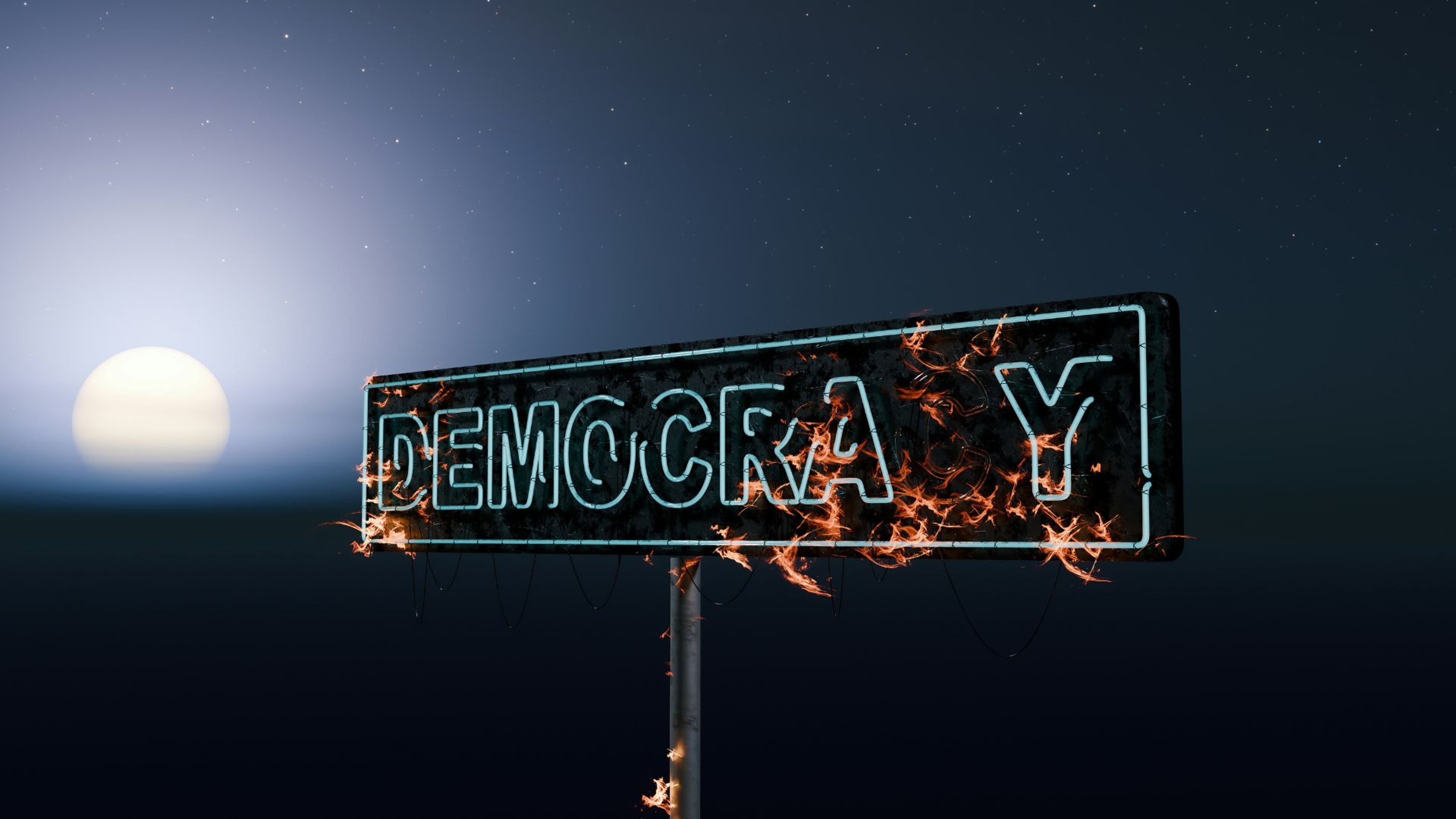
American democracy has faced longstanding challenges, including voter suppression, restrictions on voting access and efforts to limit political participation.Unsplash / Steve A. Johnson
As Steven Levitsky and Daniel Ziblatt argue in “How Democracies Die,” “democracy’s demise often come through subtle, insidious means, not necessarily dramatic coups or revolutions.”
This election season, Levitsky and Ziblatt’s words ring true: “Democracies may die at the hands not of generals, but of elected leaders—presidents or prime ministers who subvert the very process that brought them to power.”
We understand this in theory, but it’s worth exploring how this dynamic plays out in practical terms.
We applaud its strength, but in the United States, democracy has long been undermined by attacks on voting – i.e., intimidation at the polls, insufficient polling place resources, poll closures, strict voter ID laws, restrictions on mail-in ballots, cuts to early voting and/or harassment at the polls. This says nothing of the systematic stacking of the courts with far-right ideologues whose sole commitment appears to be subverting the will of the people.
And while there have been clear and convincing attacks on democracy, that we have any semblance of democracy is a testament to the countless Black Americans who risked life and limb to ensure its progress. Every protest, voter outreach effort, advocacy day or organizing effort to expand the franchise for Black Americans specifically has benefitted everyone else. Even when the nation falls short, Black Americans continue to champion policies that make up the gap.
This is ironic because since the founding of the nation, Black Americans have been systematically excluded from the democratic process. From slavery to Jim Crow, and from voter suppression to mass incarceration, Black citizens have been targets of policies designed to silence and stifle progress. Yet, paradoxically, it is often Black Americans who have fought hardest to realize the nation’s democratic promises.
But it’s time to recognize that efforts to subvert democracy to bar Black Americans from accessing agency or power are undermining democracy itself. It’s another example of the slow death of democracy by policies, not necessarily by coup.
What’s more, democratic backsliding is often masked by legality and procedure, making it more challenging to identify and resist. When newspapers are “bought off or bullied into self-censorship” and citizens “continue to criticize the government but often find themselves facing tax or other legal troubles,” democracy’s erosion becomes, for many, “almost imperceptible.”
For Black Americans, however, the erosion of democracy has rarely been imperceptible. It has been lived and hyper-visible, always palpable. Democratic erosion is embodied in discriminatory laws, violent repression and economic disenfranchisement. From the moment Reconstruction-era gains were dismantled through violence and voter suppression, Black Americans understood that democracy could be hollowed out from within, even as official institutions remained standing.
This lived experience has often made Black Americans some of democracy’s most vigilant defenders. During Reconstruction, newly freed Black citizens participated in political life with astonishing energy, only to face a brutal backlash that ushered in nearly a century of Jim Crow segregation. Despite these setbacks, Black Americans continued to push for a more inclusive democracy through grassroots organizing, legal challenges and mass mobilizations, culminating in the Civil Rights Movement of the 1950s and ‘60s. Black Americans continue to advance a next generation civil rights movement that refuses to rest on its laurels but instead demands continual progress.
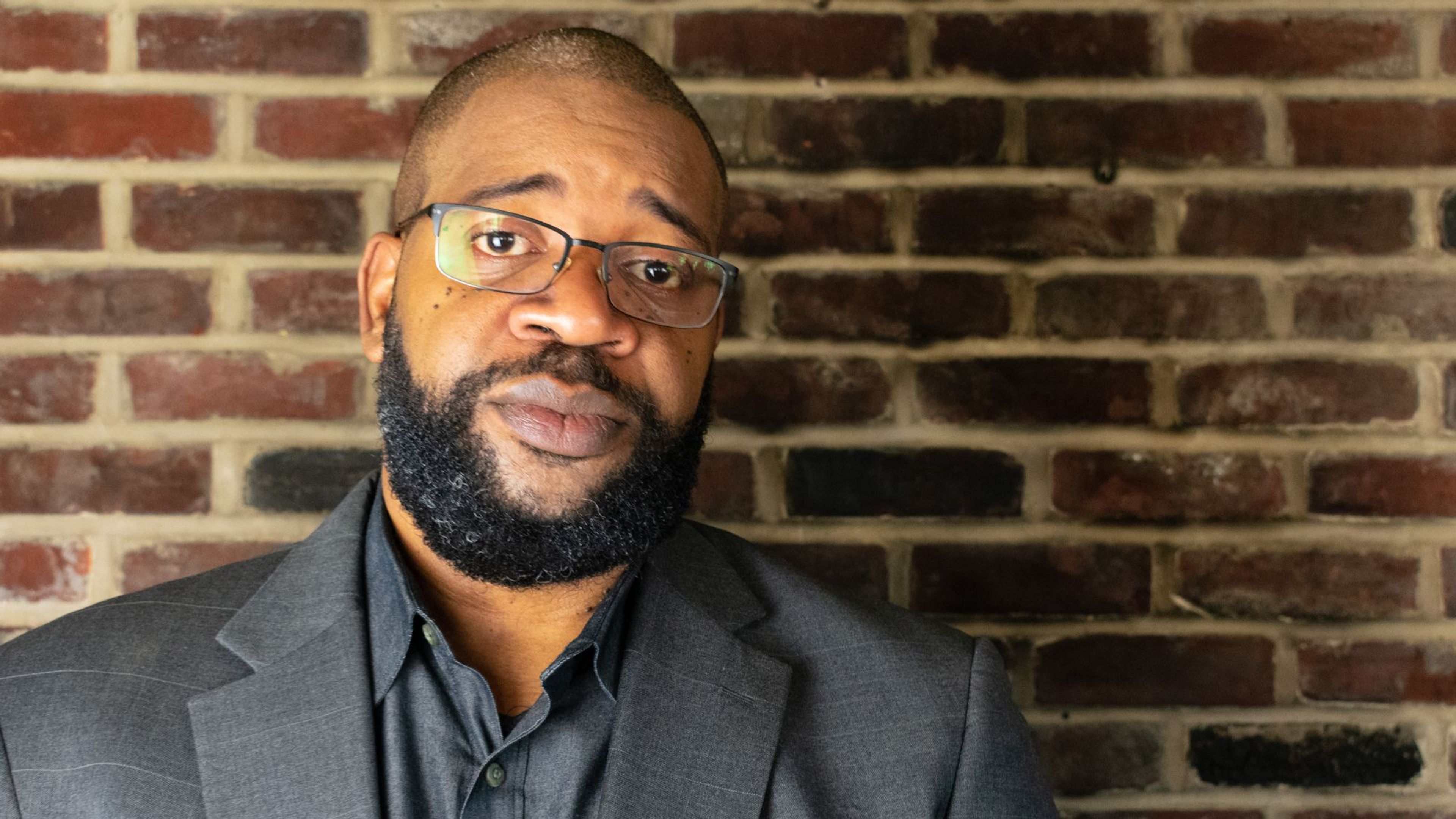
Dr. James Peterson is a scholar, author and cultural critic exploring race, politics, media and hip-hop.Photo courtesy of Brea
American democracy is not a given. It does not run on autopilot or get managed by artificial intelligence (AI). It either thrives or dies based on the actions of everyday people. At its core, democracy is the collective agreement that our voices matter and that we each have a role in shaping the decisions that govern our lives. This election season, we must channel the spirit of our ancestors and commit ourselves to not to vote, but to organize friends and families for the upcoming election and every election thereafter.
The resilience of Black Americans in the face of legal erosion is one of the most compelling aspects of American democratic history. Time and again, Black citizens have mobilized to expand and preserve democratic practices. From the National Association for the Advancement of Colored People (NAACP) legal battles in the early 20th century to the Freedom Summer of 1964, the Black struggle for civil rights has served as a defensive wall against the quiet death of democracy that Levitsky and Ziblatt warn about. Even today, civil rights organizations such as our own continue to challenge unjust policies in the courts and in the court of public opinion.
Significantly, race has often been a central grievance of American demagogues. From George Wallace’s defense of segregation to Joseph McCarthy’s attacks on civil rights activists, racism has been a potent tool for those seeking to undermine democratic norms. The 47th president then is not an aberration; he is the most recent and perhaps most dangerous data point in a long-standing pattern.
But we are too. That’s the part that’s been missed in this whole experience. When presented with what is at stake, Black voters show up and they do the right thing. But every citizen must do the same. American democracy faces existential challenges that require urgent collective action. Democracy’s survival depends on everyday citizens reclaiming our power. This fight belongs to us all.
We are being invited to this sacred work, and it is work in which we must all engage. I’m ready and I hope you are too.
The opinions expressed in this commentary are those of the writer and not necessarily those of the AFRO.
You must be logged in to post a comment Login