
By Derrick Lane
BlackDoctor
https://blackdoctor.org/

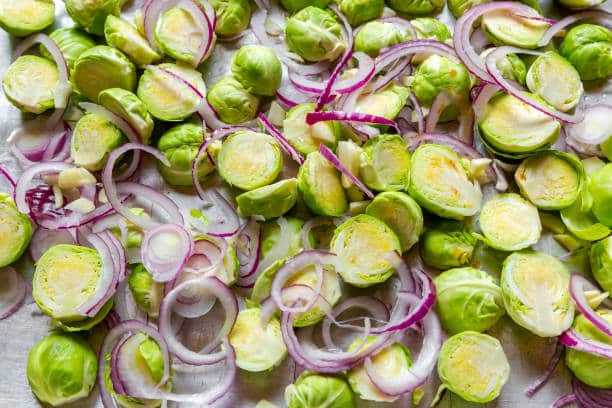
Growing up, when you heard your mom say, “eat your vegetables,” many of us might have sighed and wondered why. Now that we are grown, we understand that vegetables are really good for you, but I bet the majority of us don’t know just how powerful of a healer they can be.
For example, about 10-12 fruits and vegetables truly have superpowers when cooked and eaten properly. But we oftentimes miss out on those vegetables. Mainly because they are common and we grew up around them. Here are three super-powerful veggies we shouldn’t overlook anymore.

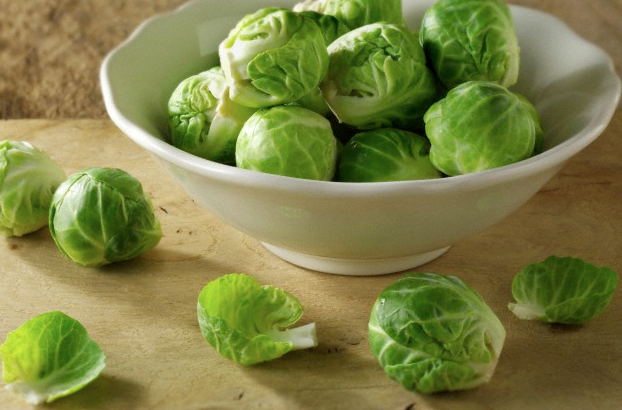
Brussels Sprouts
Brussels sprouts may be small, but don’t let that fool you. Whether you’re a fan or not, the Brussels sprout is a cancer-fighting Jedi.
Brussels sprouts contain more anti-carcinogenic compounds called glucosinolates than any other cruciferous vegetable.
One of these compounds, called sinigrin, causes cancer cells to self-destruct.
Also, if you use Brussels sprout extract, researchers at the National Institutes of Health showed that the glucosinolates are also able to stabilize DNA in white blood cells by blocking offending enzymes. Boom!

Growing up, when you heard your mom say, “eat your vegetables,” many of us might have sighed and wondered why. Now that we are grown, we understand that vegetables are really good for you, but I bet the majority of us don’t know just how powerful of a healer they can be.
For example, about 10-12 fruits and vegetables truly have superpowers when cooked and eaten properly. But we oftentimes miss out on those vegetables. Mainly because they are common and we grew up around them. Here are three super-powerful veggies we shouldn’t overlook anymore.
Brussels Sprouts
Brussels sprouts may be small, but don’t let that fool you. Whether you’re a fan or not, the Brussels sprout is a cancer-fighting Jedi.
Sickle Cell: Fireside Chat
Experts discuss the challenges of living with Sickle Cell Disease and the urgent need for better healthcare advocacy and systemic change.Share
Current Time 0:00
/
Duration 31:16
1xPlayback RateCaptionsFullscreen
Brussels sprouts contain more anti-carcinogenic compounds called glucosinolates than any other cruciferous vegetable.
One of these compounds, called sinigrin, causes cancer cells to self-destruct.
Also, if you use Brussels sprout extract, researchers at the National Institutes of Health showed that the glucosinolates are also able to stabilize DNA in white blood cells by blocking offending enzymes. Boom!
RELATED: 5 Vegetables That Can Literally Save Your Life


From our partner
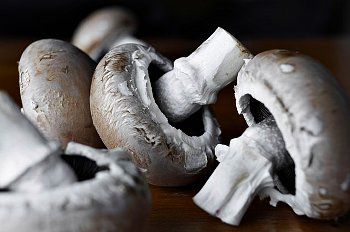
Mushrooms
One of nature’s most powerful tools for fighting breast cancer may already be sitting in your refrigerator.
Mushrooms—from humble button mushrooms to more exotic shiitakes—have been shown to strengthen the immune system and reduce the risk of colon, stomach, and prostate cancer.
In one study, eating mushrooms cut the risk of Chinese women getting breast cancer by 64 percent.
Mushrooms also contain vitamin D and long-chain polysaccharides that can help boost your immune system to help you fight the common cold. To get all the nutritional goodness of mushrooms, cook them rather than eat them raw.

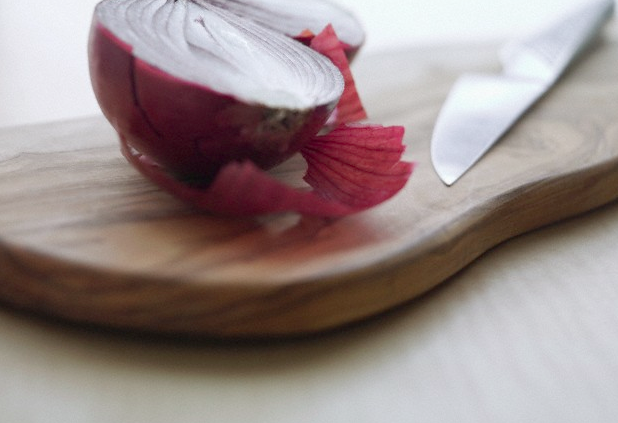
Onions
If slicing an onion makes you cry, rejoice! Some studies suggest that the compounds that make you cry are called thiosulfinates and may help prevent stroke.
Thiosulfinates act as a natural blood thinner and keep blood platelets from clumping. In addition, quercetin in onions has been shown to relax and dilate blood vessels, which also helps prevent stroke.
It’s important to note that these veggies are still healthy, but cooking them for a long time in butter or fatty oil can reduce their benefits. It’s best to keep them in their God-given form.
Onions are high in vitamin C, and provide calcium, iron, folic acid, and dietary fiber. And because they can kill the H. pylori bacteria, they may also help to prevent—but not treat—stomach ulcers.
Final Thoughts: Don’t Underestimate the Power of Ordinary Vegetables
When our parents told us to eat our vegetables, they were encouraging a habit that can benefit us throughout our lives. What might once have seemed like an unnecessary dinner-table rule is now supported by decades of nutritional research: eating a variety of vegetables is an important part of maintaining good health.
Brussels sprouts contain glucosinolates and fiber. Mushrooms provide useful nutrients and distinctive bioactive compounds. Onions contribute antioxidants, prebiotic fibers, and flavor that can make nutritious meals more enjoyable.
None of these foods is a miracle cure, and no vegetable can guarantee protection from serious illness. But each can play a valuable role in a diet that supports overall well-being.
The best part is that you don’t need expensive supplements, complicated recipes, or exotic ingredients to get started. You can find these foods in most grocery stores, prepare them in countless ways, and enjoy them alongside the meals you already love.
So the next time you’re shopping for groceries, don’t walk past the Brussels sprouts, mushrooms, and onions without giving them a second thought. Add a few to your cart, try a new recipe, and see which ones become regular favorites in your kitchen.
Your mom may have been right all along about eating your vegetables. And now you have a few more good reasons to listen.
You must be logged in to post a comment Login