

By Shea Jordan Smith
AframNews
https://aframnews.com/
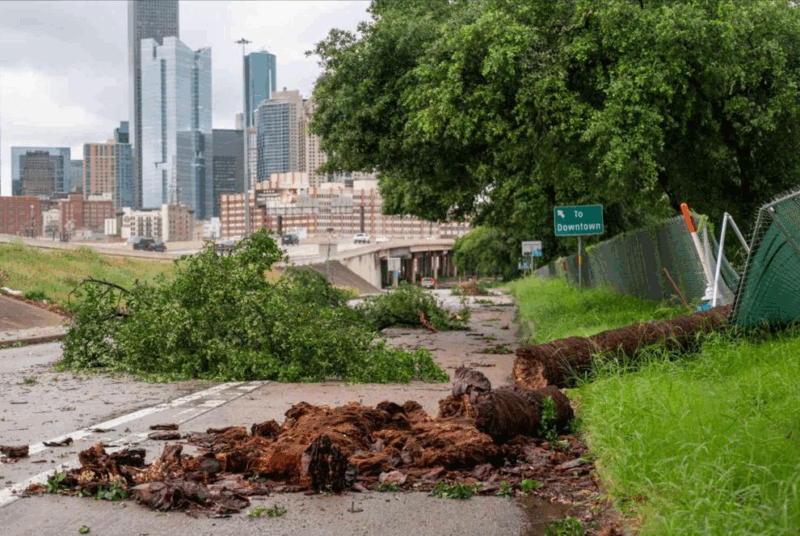
Recently, the good people over at the City of Houston Controller’s office just dropped a new report called “Weathering the Storm,” and it’s a real wake-up call.
The report lays out the hard truth: our city is broke (insert: as hell), and we’re not financially prepared for the next disaster. Houston’s “rainy day” fund is drying up, which is especially concerning when you consider that since 1983, we’ve been hit with 25 FEMA-declared disasters, and the frequency is only getting worse. Hurricane Harvey alone cost us a whopping $160 billion. We are literally Ground Zero for major storms, and our financial reserves are dangerously low.
Think of the city’s reserve fund like your own savings account for emergencies. Financial experts recommend we should have about 16.7% of our budget stashed away, but the Controller’s report says we only have about half of that, making our reserve fund the lowest among comparable major cities. For a while, federal relief money helped us out, but that’s dried up. The city’s fund balance is now dropping fast—in fact, this last year saw the biggest decrease ever. We’re essentially operating without a proper safety net, and a big storm could send us into a fiscal tailspin. This isn’t just about spreadsheets; it’s about our ability to fix roads, restore power, and get back on our feet after the next big one hits.
The report isn’t all bad news; it gives us a clear plan to get our financial affairs in order. It paints a picture of things that need to be implemented immediately to protect the city’s savings and prevent a future tragedy.
Beef Up the Rainy Day Fund: This is the big one. The report emphasizes the critical need to raise the required amount of money in our reserve fund. It’s a no-brainer to get it closer to what the experts recommend. By increasing this fund, we create a more robust buffer against unforeseen disasters, ensuring that the city can respond effectively without having to resort to drastic cuts in essential services or emergency borrowing at high interest rates.
Separate the Money: The report says we should have two separate pots of money: one specifically for natural disasters and another for economic downturns. This way, if the economy gets a little shaky, we don’t accidentally spend the cash we’ll desperately need after a hurricane. This simple yet crucial step ensures that our disaster relief funds remain untouched, providing a dedicated source of funding for immediate response and recovery efforts when a storm strikes.
Automate Our Savings: Anytime the city ends the year with a bit of extra cash, the report recommends it should automatically go into our disaster savings account. No extra taxes, just smart financial discipline. This system removes the temptation to spend surplus funds on non-essential projects and instead channels them directly into our safety net. This kind of automated savings mechanism builds our reserves steadily and responsibly over time, preparing us for the inevitable.
These steps would give us a much stronger safety net, ensuring we’re ready for whatever Mother Nature throws our way. After all, a city that’s financially prepared is a city that can recover faster.
The time to implement these measures is now, before the next big one hits and finds us without a proper financial safety net. Our future depends on our ability to heed this wake-up call and get our finances in order. We can’t afford to wait until it’s too late. The report is a roadmap to a more resilient Houston, and it’s up to us to follow it.
Stay ready so you don’t have to get ready.


You must be logged in to post a comment Login