

By Mahalia Otshudy
The Root
https://www.theroot.com/
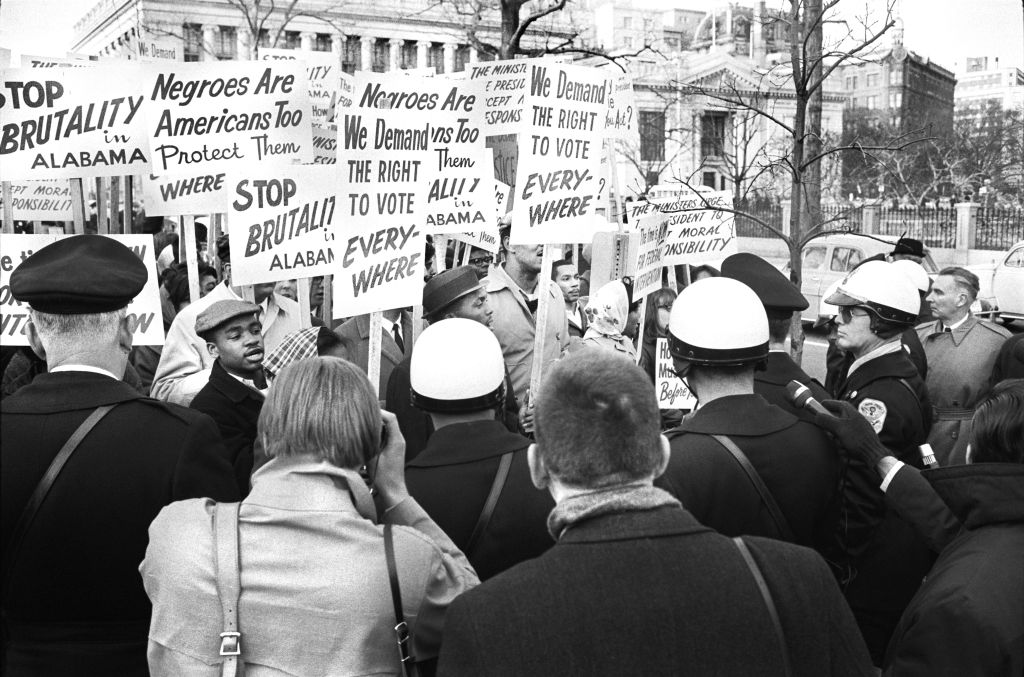
This weekend marks the 61st anniversary of the march on Selma, otherwise known as “Bloody Sunday.” One of the most violent marches of the Civil Rights Movement, the protest took place on March 7, 1965. It was sparked by the killing of farmer and civil rights protester Jimmie Lee Jackson. In remembrance of the brave protesters who fought for our civil rights, we are taking a look back at what Bloody Sunday was about.
What The Selma Marches Fought For
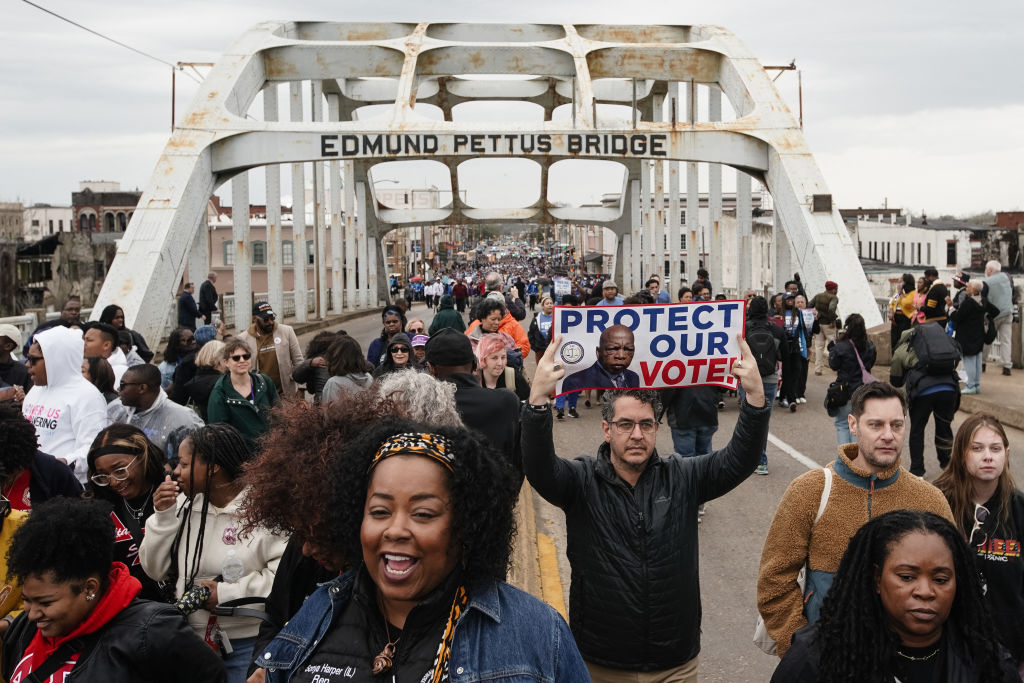
While Bloody Sunday is one of the most famous Selma marches in American history, there were peaceful protests before it, fighting for the same cause: voting rights. According to the research database EBSCO, local leaders organized the marches before receiving support from the Student Nonviolent Coordinating Committee (SNCC) and the Southern Christian Leadership Conference (SCLC). Protesters planned to walk from Selma, Alabama, to the state capital in Montgomery, calling for reform of the blocking of Black citizens’ rights to vote under Jim Crow laws.
Met With Violence
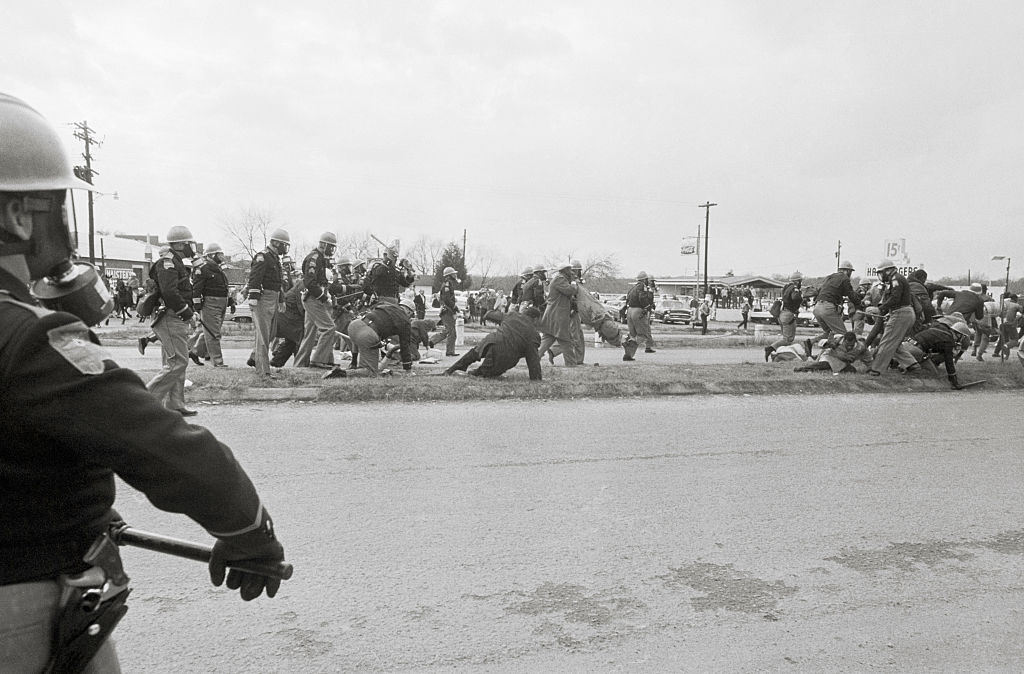
Following Martin Luther King Jr.’s philosophy of nonviolence, the protests were peaceful. However, they were often met with violence from Alabama state troopers, who would often arrest, beat, and even kill the protesters. One of these deaths sparked the march that would later become known as Bloody Sunday.
Murder of Jimmie Lee Jackson
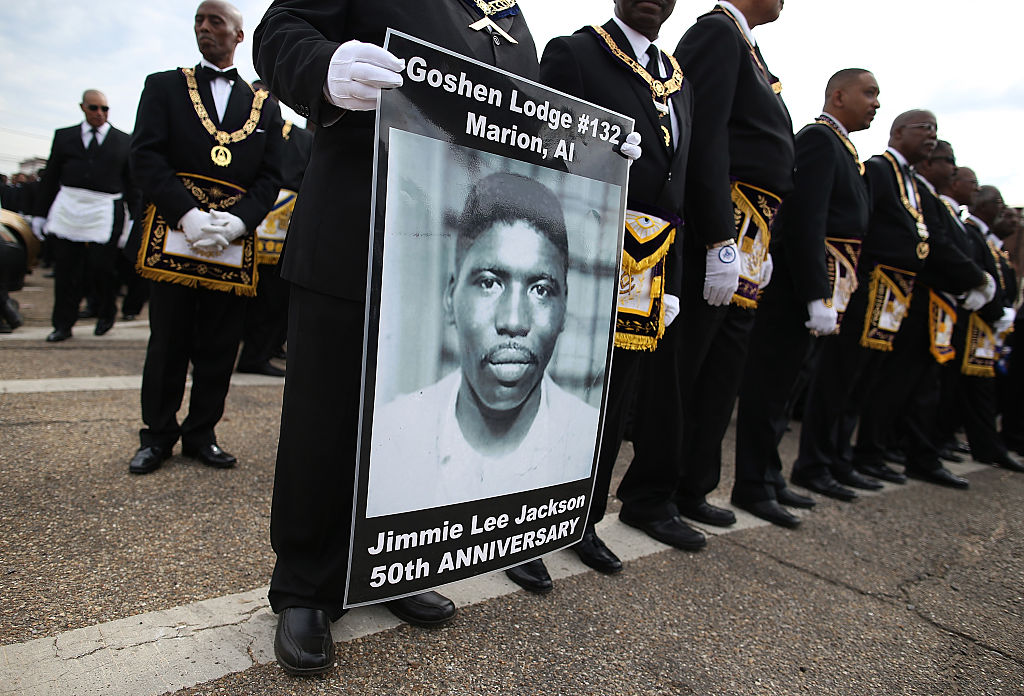
As we previously told you, the killing of 26-year-old farmer and logger Jimmie Lee Jackson sparked the protests on March 7, 1965. While taking part in a demonstration on the evening of Feb. 18, 1965, Jackson was shot in the stomach by trooper James Bonard Fowler as he attempted to protect his mother from being beaten by another trooper. Even though he was taken to the hospital that same night, he died eight days later, per The Root.
Jimmie Lee Jackson’s Death Sparks A Call To Action
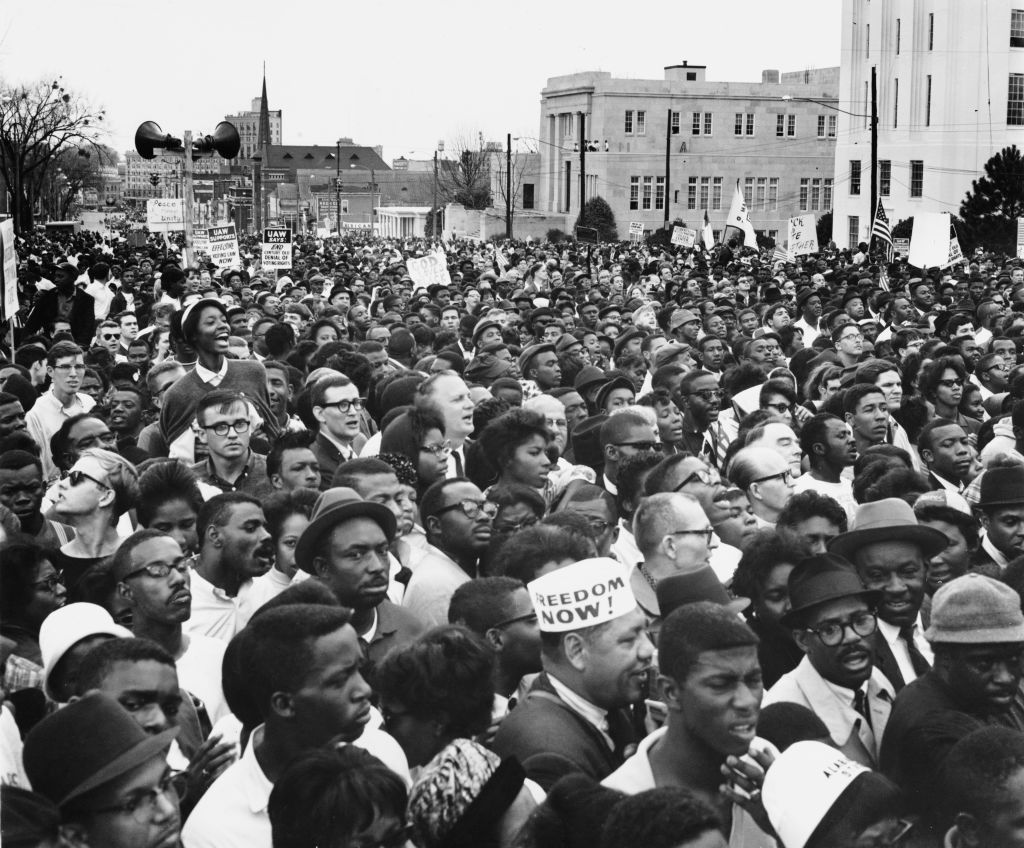
After Jackson’s death, protesters felt even more emboldened to fight for the voting rights of Black Americans and to call for justice for Jackson. According to the Zinn Education Project, on March 7, 1965, 600 protesters began the journey from Selma to Montgomery, Alabama, led by SCLC leader Hosea Williams and SNCC leader John Lewis, but they only made it to the Edmund Pettus Bridge before they were met by a wall of state troopers.
Protest Becomes Violent
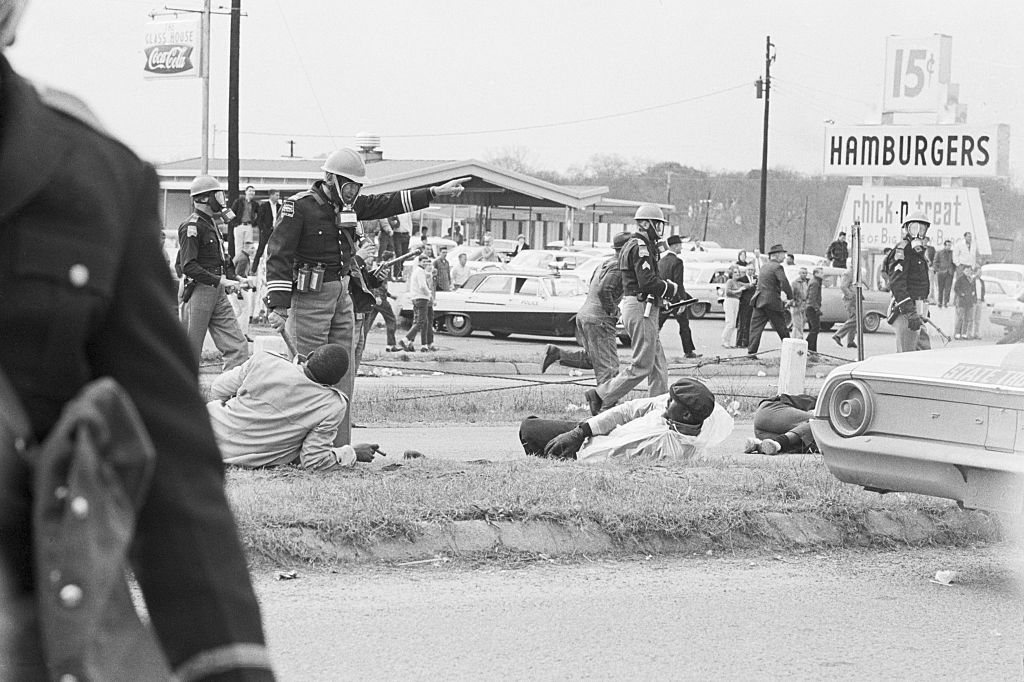
As they faced Alabama state troopers, protesters were severely beaten. Troopers sprayed tear gas on the marchers, according to the National Archives. Over 50 people were injured and treated at the hospital, including Activist Amelia Boynton Robinson and SNCC leader John lewis who suffered a fractured skull, according to the National Archives.
According to NBC News, Lewis said he doesn’t remember how he made it back to safety that night. “I was hit in the head by a state trooper with a nightstick. I lost consciousness. 50 years later, I don’t recall how I made it back across that bridge to the little church that we had left from. Apparently, a group literally carried me back to the church,” he stated.
Bloody Sunday Almost Didn’t Happen
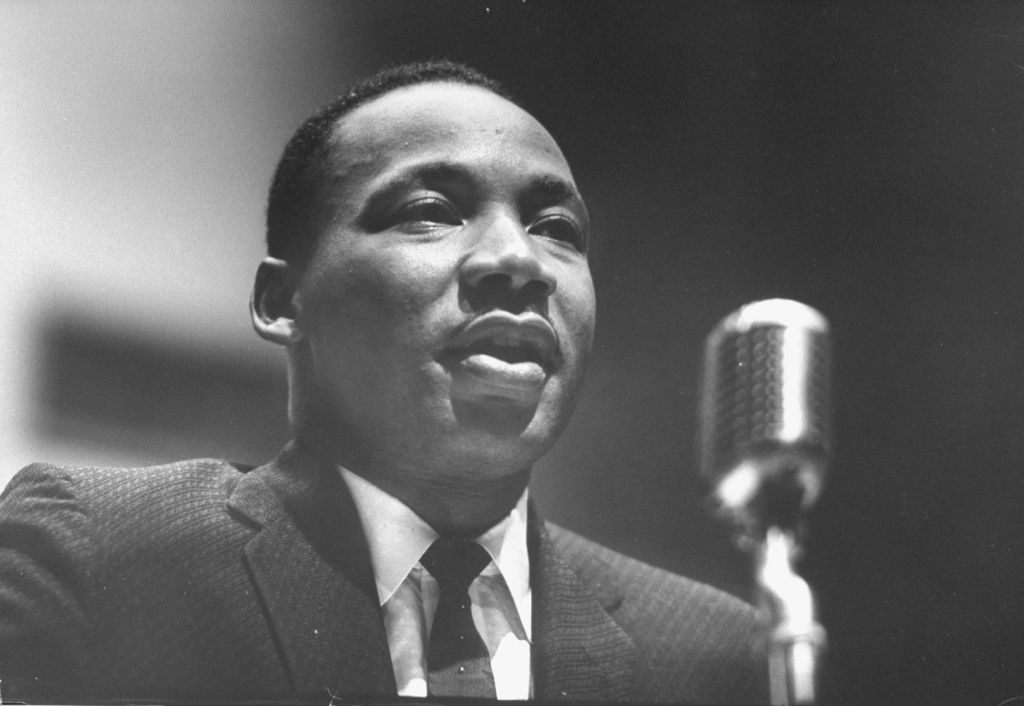
While the horrifying events that took place March 7, 1965, are now seen as a catalyst for Black Americans gaining voting rights, the march almost did not occur as planned. Martin Luther King Jr., who was in Atlanta at the time, called for the protest to be rescheduled for Monday, March 8, to ensure he could attend. However, to avoid discouraging protesters, King allowed the march to proceed as scheduled.
The Aftermath
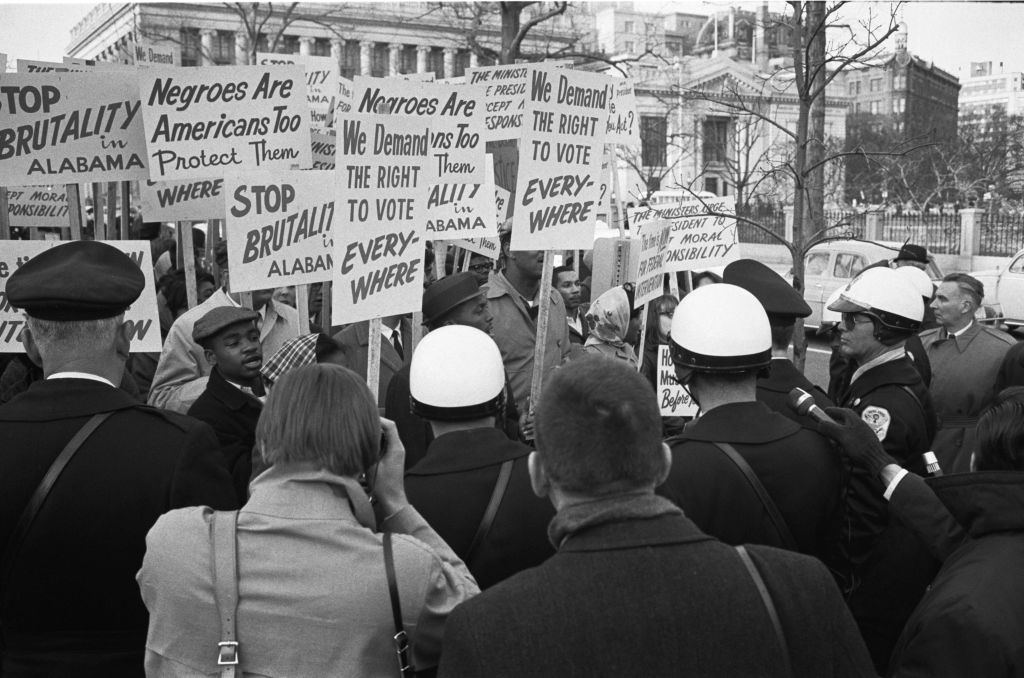
The violence shown to protesters on Bloody Sunday was witnessed across the country as the event was televised, causing national outrage, according to Stanford University. That same night, Martin Luther King Jr. sent telegrams and made public statements asking religious leaders across the country to join a peaceful protest he was planning for March 9 in response to the events of March 7, per Stanford University.
Turnaround Tuesday and More Protests
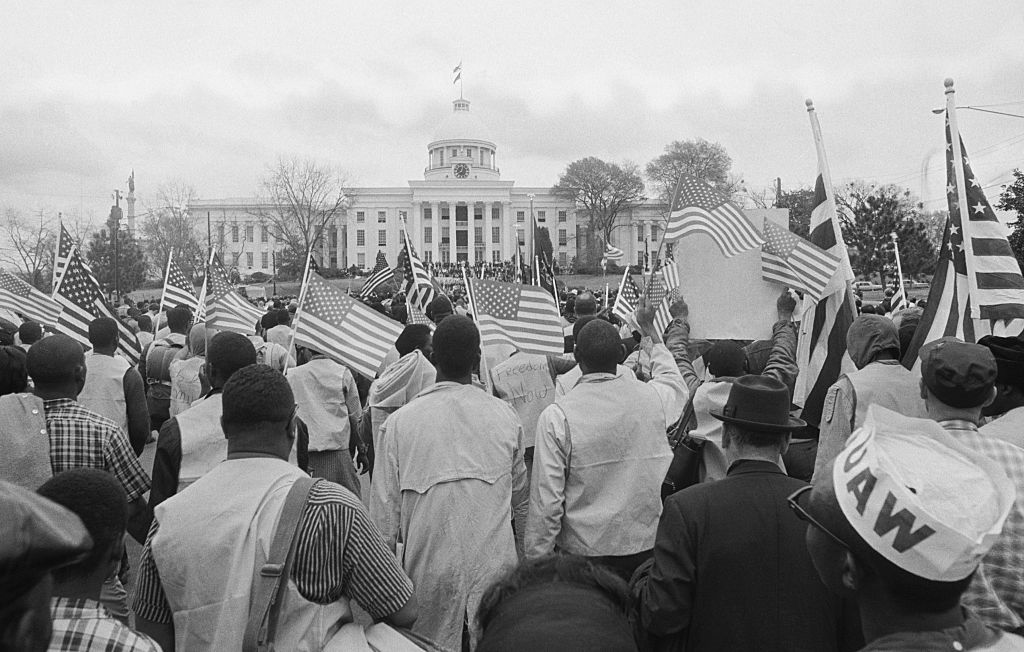
On Tuesday, March 9, 1965, Martin Luther King Jr. led close to 2,000 people on another peaceful demonstration across the Edmund Pettus Bridge, according to the National Archives. However, rather than being met by immediate violence, King led the protesters back to Selma after leading a prayer at the end of the bridge.
They held another demonstration on later that month on March 21, where they did the full journey from Selma to Alabama. That time, the crowd of thousands was protected by Alabama National Guardsmen and the Federal Bureau of Investigation. At night, they camped in the yards of those who supported the cause and were joined by celebrities such as actor Harry Belafonte and actress Lena Horne, according to Stanford University.
Sit In at The White House
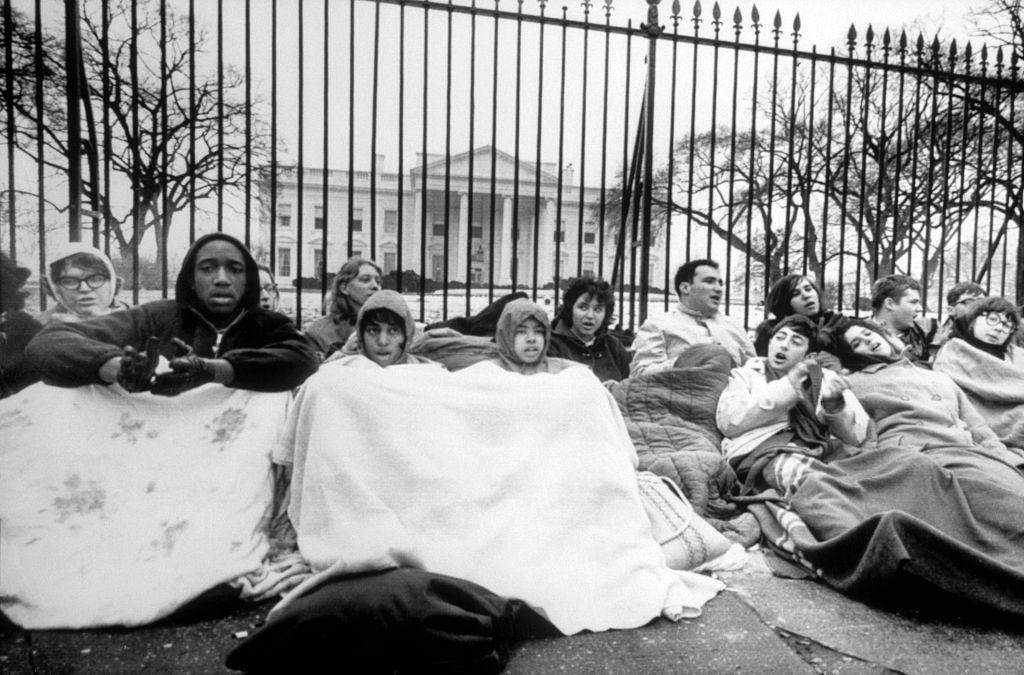
After Turnaround Tuesday, President Lyndon B. Johnson promised to draft federal legislation to protect voting rights, according to the White House. During this same time, more civil rights demonstrators were organizing sit-ins at the White House to draw attention to what was happening in Alabama.
We Shall Overcome
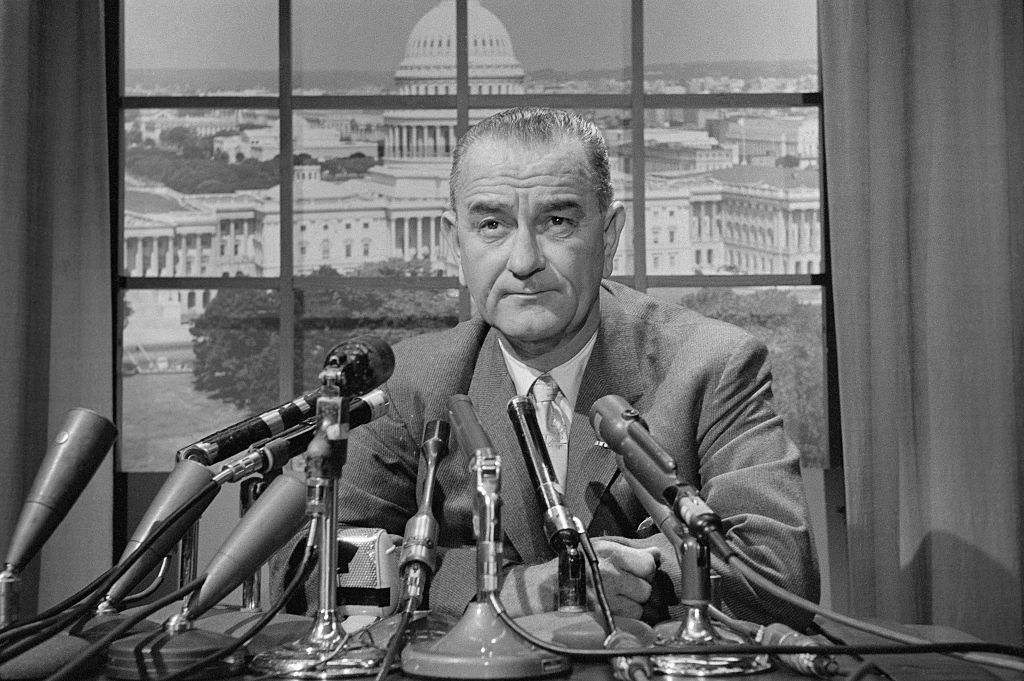
On March 15, Johnson gave his famous “We Shall Overcome” speech calling for voting rights, according to the White House.
“It is the effort of American Negroes to secure for themselves the full blessings of American life. Their cause must be our cause too. Because it is not just Negroes, but really it is all of us, who must overcome the crippling legacy of bigotry and injustice. And we shall overcome,” he stated.
Finally, March 17, the Voting Rights Act was presented to Congress, but it would be many months before it was signed, according to the National Archives.
Signing of The Voting Rights Act
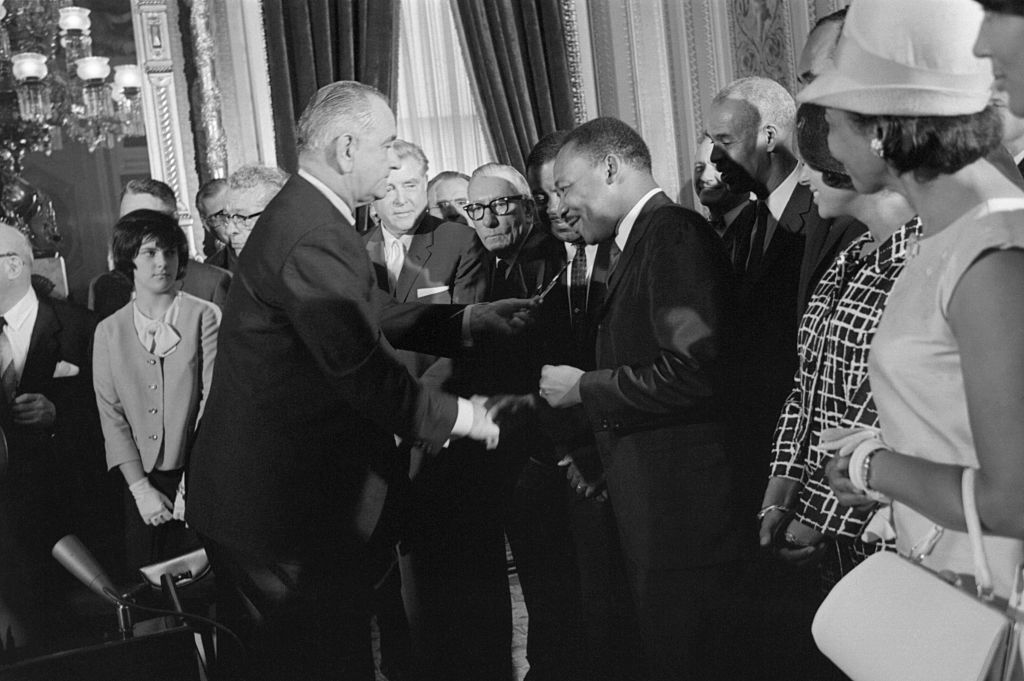
That summer, Aug. 6, Martin Luther King Jr., Rosa Parks and other civil rights activists were witnesses as President Johnson signed the Voting Rights Act in the Senate Chamber, according to the United States Senate. Johnson was quoted as saying the act was “a triumph for freedom as huge as any victory won on any battlefield,” per the U.S. Senate.
Details of the Act
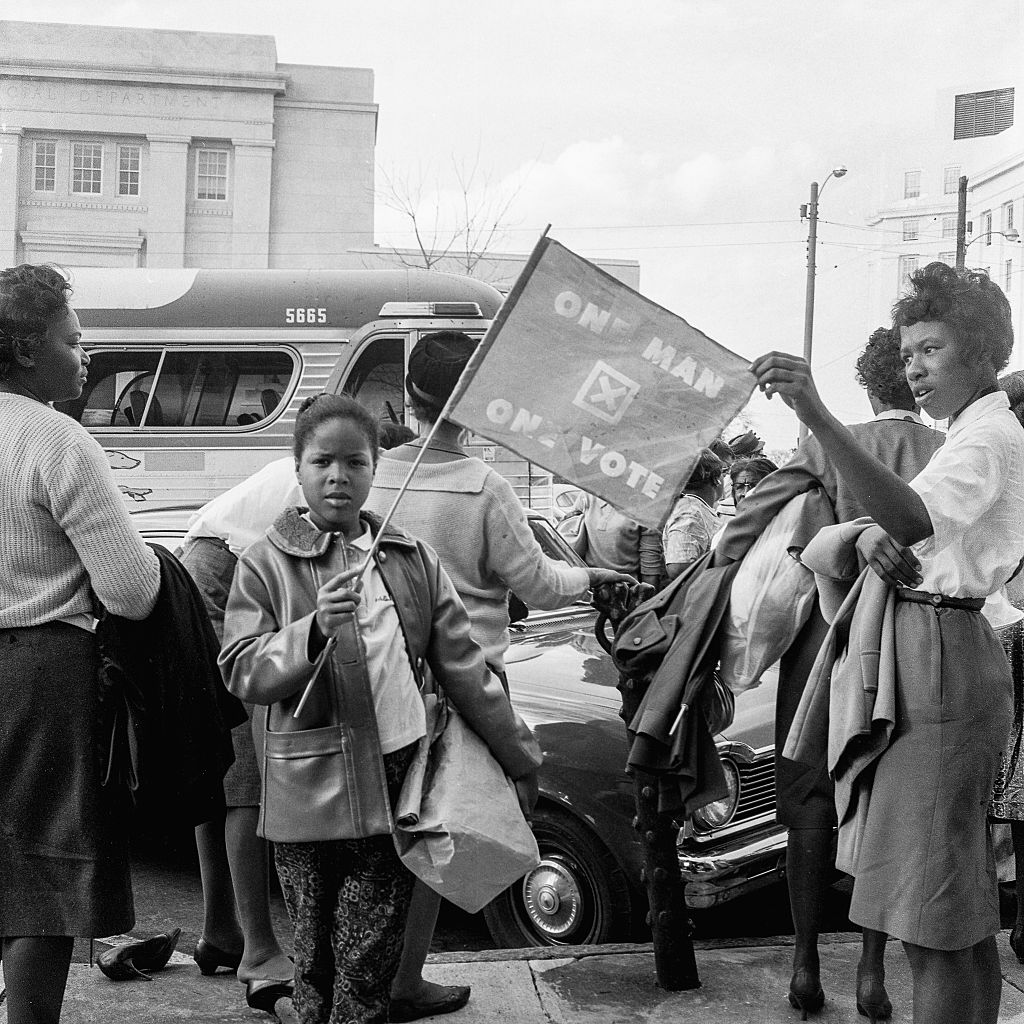
The Voting Rights Act outlawed discriminatory practices such as literacy tests and refusing to register voters on account of their race. This had a massive impact on the number of Black voters in the United States; by the end of that same year, close to 250,000 new Black voters were registered, per the National Archives.
Bloody Sunday Legacy
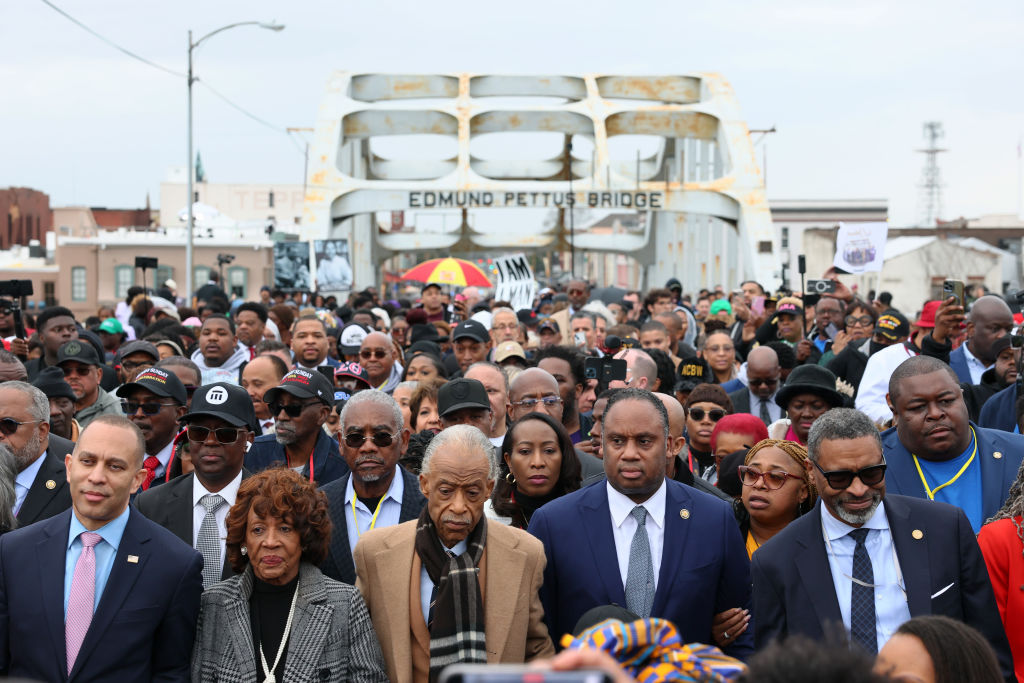
Thanks to those who fought, Black voters now have a say in what happens in America and are one of the strongest groups of voters in the U.S. According to a 2024 report by The Guardian, Black voters have the highest turnout compared to other racial groups despite challenges they face when it comes to voting, such as strict voter ID regulations and harsh sentences for errors in voter registration.
So, the next time you head to the ballot, do not forget the long, violent fight it took to make your vote possible.


You must be logged in to post a comment Login