

By Anthony Council
Correspondent
Texas Metro News
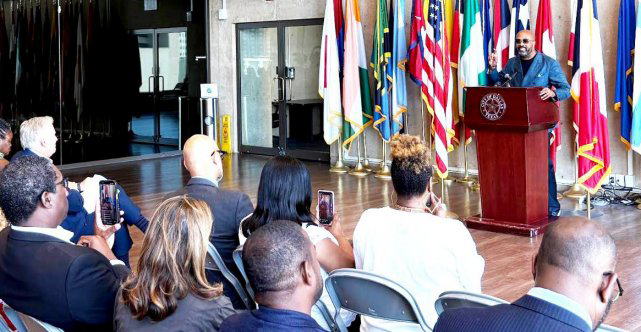
Many faith leaders in Dallas gathered at City Hall yesterday to address the recent decision to pause all Diversity, Equity, and Inclusion (DEI) programs. The move, made to comply with a Trump administration directive, puts over $300 million in federal funding for Dallas at risk.
Former Mayor Pro Tem Casey Thomas, who led much of the discussion, expressed being “surprised, disappointed, and shocked” by the city council’s decision.
Thomas recalled that the push for change began in the summer of 2020 during the COVID-19 pandemic, when the community demanded more accountability in policy and city spending.
With the racial equity plan and DEI initiatives now on hold, Thomas emphasized that it is the city manager’s responsibility to ensure progress continues despite the setback.
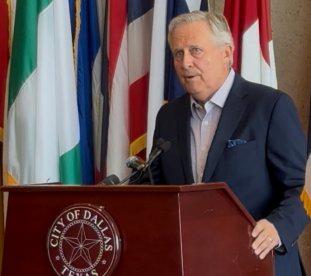
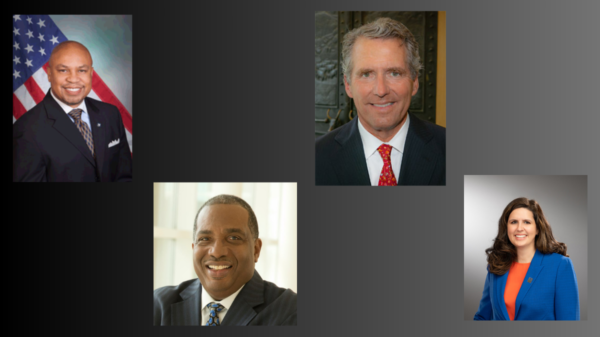
Speakers included Rev. Dr. George Mason, president of Faith Commons; Rev. Dr. Frederick D. Haynes III, senior pastor of Friendship-West Baptist Church; Rev. Victoria Powers, senior pastor of Royal Lane Baptist Church; and Rev. Dr. Todd Atkins, senior pastor of Salem Institutional Baptist Church.
Dr. Mason underscored the moral imperative across faith traditions to act against injustice, stating, “Everyone today who is speaking represents some faith tradition that teaches us that we must do something when we believe that unjust injustice results in the suffering of our neighbors.
“Something is deeply wrong” with the suspension of DEI programs, added Dr. Mason..
Dr. Mason also announced a meeting scheduled for Thursday with city council members and the city manager. He emphasized, “This is not a confrontation moment with anyone, but if it comes to that, it comes to that,” adding that they come “in faith.”
He reminded those present, “As long as we’re walking in the same direction, that is progress. If not, that would be otherwise.”
Rev. Dr. Haynes took a passionate stance after the press conference, urging that “if the name is changed, don’t change the game.”
He emphasized that “the game is justice, which for me means enoughness for everybody, especially those who have been excluded.”
Haynes suggested reframing DEI efforts simply as “enoughness for everybody,” particularly focusing on those historically marginalized in the city. When asked about how faith leaders can be “thermostats” leaders who shape society instead of just reacting, Haynes called this moment “our civil rights moment.”
He spoke to the deep hurt and connection many feel, saying there’s no excuse to stay on the sidelines.
“By way of that connection,” he said, “it unleashes power.”
For him, that connection is Jesus Christ.
Despite the city’s suspension of DEI programs, these faith leaders remain committed to advocating for justice and equity throughout Dallas.






You must be logged in to post a comment Login