By Anthony Tilghman
Minnesota Spokesman-Recorder
https://spokesman-recorder.com/

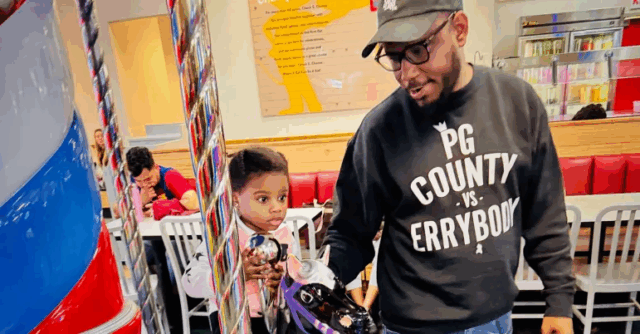
Black Fatherhood, Autism, and the Power of Speaking Out
Prince George’s County father, advocate, and community leader shares how raising his daughter Amari—who was diagnosed with autism—transformed his understanding of fatherhood, leadership, and the urgent need for policy change in Black communities.
As a Black father, I’ve worn many titles — provider, protector, community leader, mentor. But none has shaped me more than being “Dad” to my daughter Amari, who was diagnosed with autism.
When I first heard the word autism associated with my child, I’ll admit I was overwhelmed. Like many parents, I didn’t fully understand what it meant. I was afraid of what the future might hold. But in the Black community, fear is often met with silence. And silence — especially around disability and mental health — has become a quiet barrier too many families struggle behind.
That’s why I’m speaking out — not just as a father, but as an advocate for our children, for public service education, and for civic engagement rooted in love and leadership.
Black children are too often diagnosed, later misdiagnosed, or outright denied access to the early interventions they need. The reasons are layered — racial disparities in health care, cultural stigma, under-resourced schools, and unconscious bias in medical and educational systems. The results are heartbreaking. Our children fall through cracks that should never exist.
Even fewer people talk about the role of fathers — especially Black fathers — in this journey. Too often we’re pushed to the margins of the conversation or expected to stay silent. That ends here.
I’ve sat in countless IEP meetings. I’ve researched therapies, pushed for inclusive classrooms, and sought out the support systems that weren’t readily available. I’ve wiped away tears and celebrated every breakthrough. And in each step, I’ve realized that parenthood is more than presence — it’s informed, engaged leadership. It’s showing up as our child’s strongest advocate.
Through my advocacy, I’ve worked with other families here in Prince George’s County to build community, share knowledge, and empower fathers. But we need more. We need a cultural shift — one that recognizes neurodiversity, reduces stigma, and promotes civic participation among parents and caregivers.
We need to normalize vulnerability in Black men and redefine strength as being fully present for our children. And we need policy. We need paid family leave, inclusive classrooms, early intervention access, and increased funding for special education — especially in underserved communities where disparities are most pronounced
These aren’t just family issues — they are issues of public leadership. They are the foundations of building future leaders through involvement, advocacy and education.
Our children deserve more than awareness — they deserve action. And our fathers deserve to be seen, heard and supported — not shamed or silenced.
Autism is not a tragedy. Silence is.
Let’s talk. Let’s act. Let’s lead.
This piece was originally published in Black Press USA. For more information, visit www.blackpressusa.com.





You must be logged in to post a comment Login