

By Rita Cook
Photos by Guillaume de Vaudrey
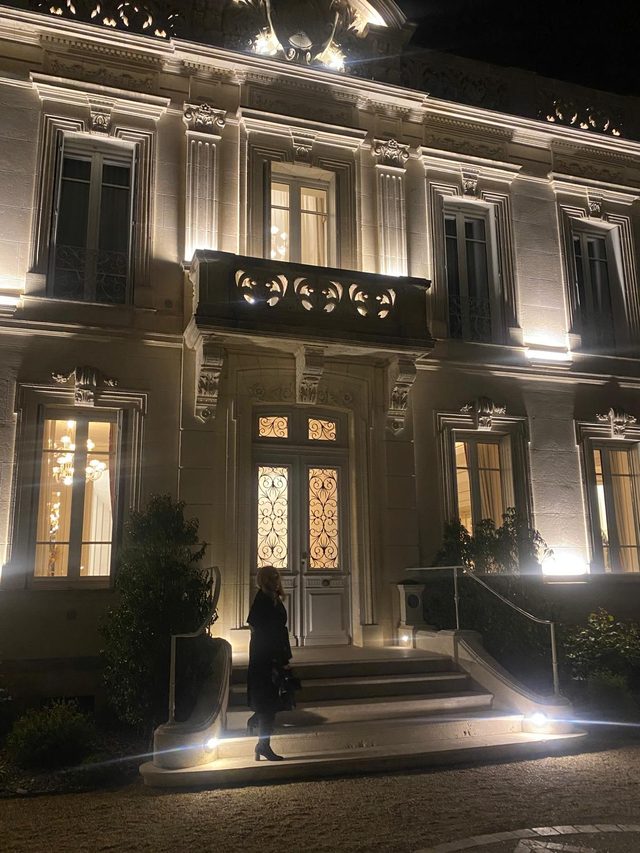
There is a particular moment when you realize you are no longer simply traveling through France. You are in France.
This time, my colleague and best friend, who happens to be Parisian, and I found ourselves exploring Charente, a region where the Atlantic gives way to vineyards, villages seem suspended in time, and Cognac is far more than an after-dinner drink. It is a culture shaped by soil, water, weather, craftsmanship and patience—with just the right touch of magie française.
Our journey began with a train ride from Paris to La Rochelle, a historic Atlantic port founded as a fishing village in the 10th century. Once an important center of maritime trade, the city still wears its history beautifully. Medieval towers guard the Old Port, while pale limestone buildings, arcaded streets and lively cafés invite you to slow down.
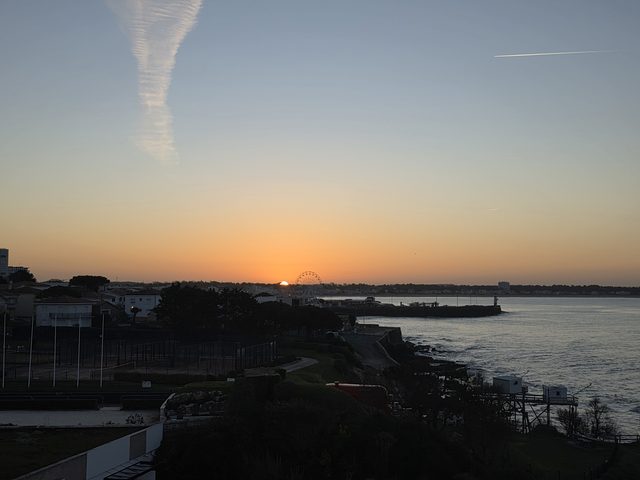
After checking into Hôtel St. Nicolas, we explored on foot, the best way to experience La Rochelle. Dinner at La Yole de Chris, near Plage de la Concurrence, brought fresh seafood, wine and the sound of the ocean.
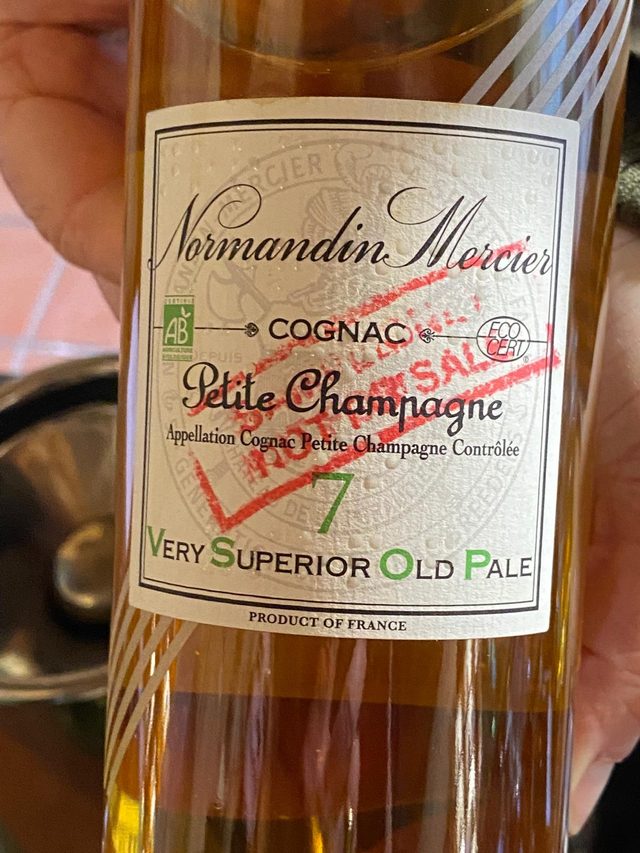
The next morning, we collected our car and headed to Normandin-Mercier Cognac, an independent family-owned house established in 1872. Based at the historic Château de La Péraudière, the fifth generation of the Normandin family continues its traditional approach to Cognac production. Touring the cellars and the Paradis, where some of the oldest family spirits rest, offered a first glimpse into a world where time is an essential ingredient.
From there, we drove to Royan, a coastal town with a surprising architectural story. Much of Royan was destroyed during World War II, and its reconstruction produced a remarkable collection of modernist buildings from the 1950s. A guided tour helps bring this distinctive architecture to life. Dinner at La Cave 1950 delivered the kind of French experience I appreciate: excellent food without unnecessary fuss.
The following morning, Les Hauts de Talmont introduced us to the vineyards, where the real education began. Cognac starts as wine, made primarily from Ugni Blanc grapes grown within a legally defined region. The wine is distilled twice in traditional copper stills before the resulting spirit is placed in oak barrels to mature.
Nearby Talmont-sur-Gironde deserves a lingering visit. Perched above the Gironde estuary, this village looks almost too picturesque to be real. Stone houses, narrow lanes, hollyhocks and an ancient church create a scene that could have been designed for a French film.
Then came Cognac itself.
The region encompasses six recognized growing areas, or crus, each with distinctive soils that influence the spirit’s character. After distillation, the clear eau-de-vie develops its color, aroma and complexity in oak barrels, sometimes aging for decades. With time, some Cognacs acquire the intriguing character known as rancio, with earthy, nutty notes that reflect their long maturation.
In other words, patience isn’t just a virtue here. It is part of the recipe.
At Château de Cognac, history and spirits share the same walls. Originally a fortress dating to the 10th century, the château later became a residence associated with King François I, who was born there. Today, it is also connected to Cognac production, making it a fascinating stop for anyone interested in the region’s layered past.
We checked into Hôtel François Premier Cognac Centre before dinner at Les Flâneurs at La Nauve, a beautiful estate offering an elegant yet relaxed setting.
The next day brought an unexpected discovery: vinegar. La Compagnie de Bouteville produces artisanal French balsamic condiments and gourmet vinegars aged in Cognac oak barrels. It was another reminder that the region’s craftsmanship extends well beyond the spirit that made it famous.
At Frapin Cognac in Segonzac, we explored Grande Champagne, considered the leading cru of the Cognac region. Here, the relationship between terroir and taste became even clearer. We finished the day at Domaine de Pladuc, where dinner and an overnight stay immersed us in the quiet countryside.
There is something different about silence in this part of France. After a day spent learning about the importance of time, soil and tradition, it seemed that silence itself had a story to tell.
Saturday took us to Aubeterre-sur-Dronne, one of France’s officially designated Plus Beaux Villages de France. Its pale stone buildings cascade down a hillside, while the extraordinary underground Church of Saint-Jean, carved directly into limestone, makes the village well worth a visit.
Our final stop was Angoulême, famous for its colorful painted murals that transform ordinary streets into an open-air gallery of whimsical characters. We spent the night near the train station before returning to Paris the next morning.
I left realizing that this had become one of my favorite regions of France. Perhaps it wasn’t because we drove a little slower, lingered longer over dinner or took an extra sip.
It was because every discovery felt like opening another page in a storybook, with each turn revealing something unexpected.


You must be logged in to post a comment Login