

By BlackDoctor Editors
BlackDoctor
https://blackdoctor.org/

The conversation around high blood pressure could not be more urgent, especially in the African-American community. According to the Centers for Disease Control (CDC),nearly half of US adults have high blood pressure and three in four adults with hypertension do not have it under control. High blood pressure, also known as hypertension, is often called the “silent killer” because it rarely comes with obvious symptoms. Yet over time, it quietly damages the heart, brain, kidneys, and blood vessels, increasing the risk of heart attack, stroke, kidney failure, and even dementia.
During a recent BlackDoctor conversation, we sat down with Dr. Yolanda Lawson, OB-GYN, past president of the National Medical Association, and executive medical director at Health Care Service Corporation (HCSC), to break down what hypertension really is, why it is so dangerous, and what people can do right now to get their blood pressure under control.
Why High Blood Pressure is Called the ‘Silent Killer’
High blood pressure and hypertension are interchangeable terms, but the danger often goes unnoticed. “High blood pressure, it is called the ‘silent killer’ because it is doing things to you, but you can still go to work, you can still get up and cook, you can still do everything that you need to do,” Dr. Lawson said. “It’s not like most diseases that may sit you down.” She explained that the goal for most adults is to keep their blood pressure under 130 over 80. “If your numbers are exceeding that, then it is high blood pressure.” For context, normal blood pressure is typically 120 over 80.
The danger is not just the diagnosis itself, but what uncontrolled blood pressure can lead to over time. “When you break it down for women, one in five women are dying from heart-related disease,” she said. “And hypertension, oftentimes, is at the crux of that, causing stroke, causing heart attacks, causing kidney disease and failure, and also a contributor to dementia. So hypertension is a very important metric for us to think about when we want people to control their blood pressure.”
RELATED: Day 1: Just Been Diagnosed with High Blood Pressure
Why Knowing Your Numbers Matters
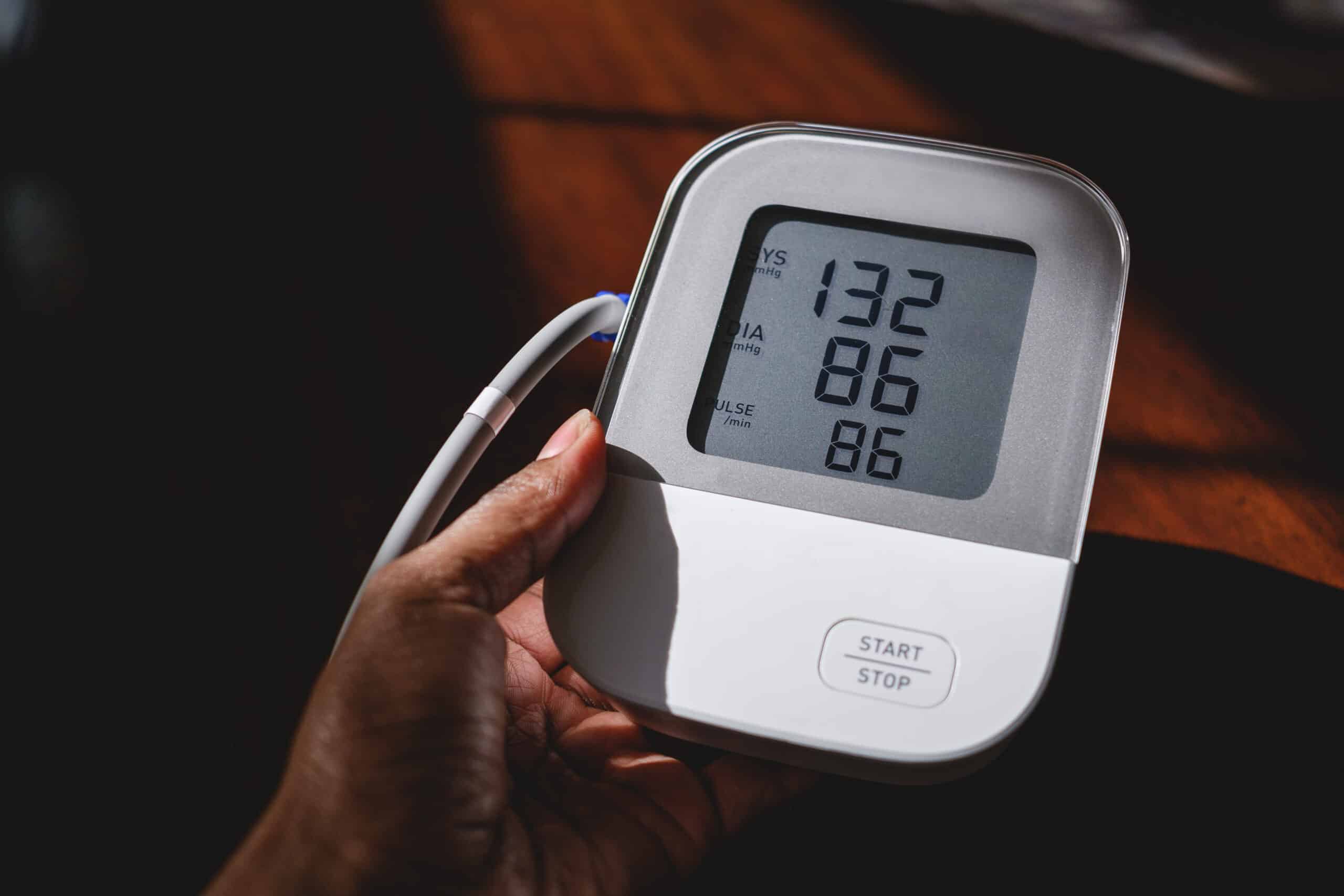
Because symptoms of hypertension are often subtle or nonexistent, Dr. Lawson emphasized the importance of knowing your numbers outside of an annual doctor’s visit. “There are people who don’t take their blood pressure until they come to the doctor,” she said. “I encourage people, if you have a diagnosis of high blood pressure, to have a blood pressure cuff at home.”
Even for people without a diagnosis, checking blood pressure every few months can offer insight into how stress, sleep, and daily habits are affecting the body. Tracking your numbers over time also helps healthcare providers make more informed decisions about care and treatment.
How to Get a More Accurate Blood Pressure Reading at the Doctor’s Office
Blood pressure readings can be influenced by how you arrive at your appointment and how the measurement is taken. To help ensure your numbers are as accurate as possible, Dr. Lawson recommends:
- Sit and rest for a few minutes before your reading
Rushing into an appointment can temporarily raise your blood pressure. - Make sure your feet are grounded
“When you’re taking your blood pressure, it’s important to have your feet on the floor or grounded,” Dr. Lawson said. - Empty your bladder before your blood pressure is taken
If possible, use the restroom before your vitals are taken. - Check that the cuff size is correct
Using the wrong cuff size can also throw off your numbers.
If your number seems unusually high, it is reasonable to ask for a second reading after a few minutes of rest.
High Blood Pressure Hits the Black Community Harder
The impact of high blood pressure is especially concerning in the Black community. While hypertension affects nearly half of adults in the U.S., nearly 58% of Black adults have high blood pressure and experience higher rates of complications and death from heart disease and stroke. Dr. Lawson explained that many patients feel high blood pressure is inevitable because it runs in their families. “While genetics do play a role, our lifestyle is extremely important.”
She also highlighted how early cardiovascular disease shows up for Black women in particular. “When you think about Black women 60 percent of Black women have some form of cardiovascular disease by the time they’re age 20,” Lawson said. “We exceed all other ethnic races.” She continued, “This is something I’m dealing with every day, day in and day out, because it’s so prevalent in Black women across the ages, even at young ages.” Another growing concern is the rise in heart-related emergencies among younger adults. Dr. Lawson pointed to sedentary lifestyles, high screen time, and rising obesity rates. “We’re seeing people with hypertension at much younger ages than previously,” she said.
Stress, Self-Care, and Ignored Warning Signs
Stress is noted as one of the most powerful contributors to high blood pressure. “There is much documented research around stress, and it’s chronic stress,” Dr. Lawson said. “It could be job stress. It could be relationship stress. It could be stress from kids. That chronic stress day in and day out, that certainly plays a role.”
Warning signs are often easy to dismiss. “Fatigue is going to be one of the number one things,” she said. Headaches, swelling in the feet or legs, and blurry vision can also be warning signs people push through instead of getting checked.
Dr. Lawson says self-care is not optional. “Self-care is preserving oneself,” Dr. Lawson said. “It could just be getting five minutes to yourself a day, a meditation, prayer, doing some stretches on the floor, quiet time, or even taking a bath.” Small, consistent moments of rest can help regulate stress and support heart health.
What Black Women Need to Know About Blood Pressure, Pregnancy, and Postpartum Health
For Black women, the risks of hypertension extend into pregnancy and postpartum care. Blood pressure disorders are one of the leading contributors to maternal mortality in the U.S. “Oftentimes the first thing, because someone’s pregnant, they want to stop their medications. We don’t recommend that. Talk with the doctor first, because it can be as dangerous in your early pregnancy to have a high blood pressure number and not know it because you stopped your medicine thinking it’s not safe.” Dr. Lawson also explained how preeclampsia can show up during pregnancy. “When we talk about preeclampsia, which is a condition where your blood pressure goes up in pregnancy, you can also have swelling and urinary symptoms like protein,” she said. “That’s because the blood pressure is rising.” Depending on severity, she noted that treatment can range from close monitoring with medication to bed rest, and in some cases, emergency care.
Just as important, Dr. Lawson warned that the danger does not end after delivery. “When you have the baby, the body doesn’t just immediately recognize that you’re no longer pregnant,” she said. “There are circulating hormones, and you’re not out of the woods for a few months.”
She emphasized that postpartum preeclampsia is real and potentially deadly. “You can still get preeclampsia after you have delivered your baby,” she said. That is why postpartum follow-up matters. “There’s a window of two months. That’s why you always have to go for that postpartum check. We see so many women skip that because they have the baby now and don’t find it important.” For women with a history of high blood pressure, postpartum visits are also where medications are adjusted.
How the Hypertension Bites Campaign Supports Blood Pressure Control
This conversation aligns with the “Hypertension Bites” campaign led by the CDC Foundation through the Hypertension Control Alliance, which encourages adults, particularly those in midlife, to take realistic steps to get their blood pressure under control. The campaign focuses on small, achievable changes to get your health back on track. To learn more about controlling high blood pressure, visit MyBPControl.org.


You must be logged in to post a comment Login